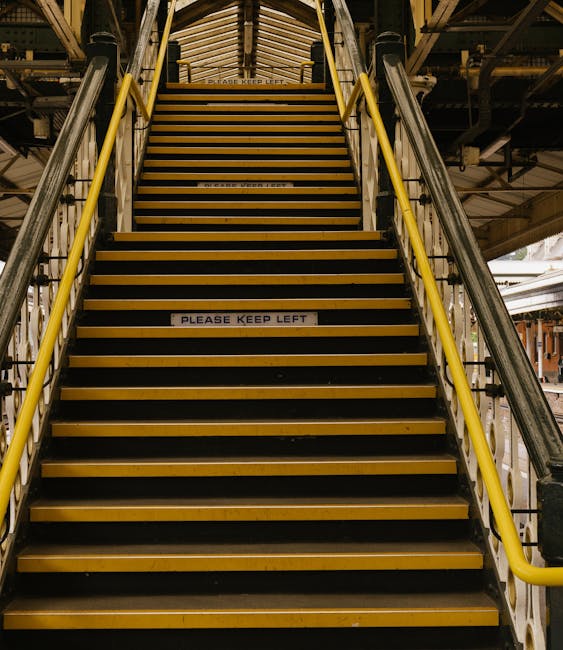
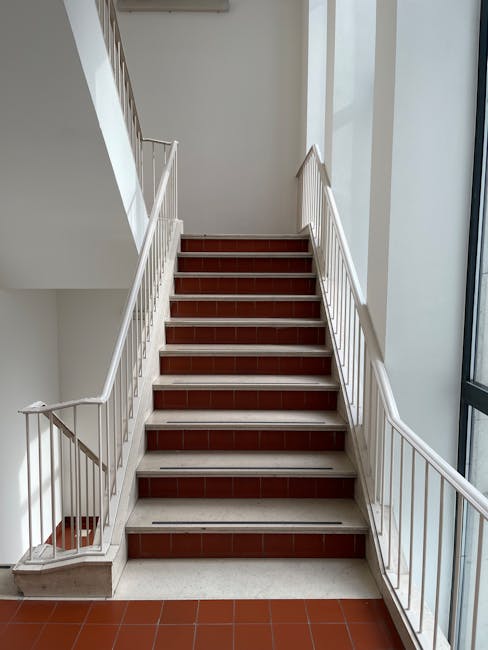
Removal service access problems for Finchley stair flats
If you are planning a move in Finchley and your flat is up a narrow staircase, you already know the tricky part is not always the lifting. It is the access. Tight turns, awkward landings, parking that is never quite where you want it, and the lovely surprise of a top-floor walk-up can turn a simple move into a slow, sweaty puzzle. Removal service access problems for Finchley stair flats are common, but they are also very manageable with the right preparation.
This guide explains what the access issues actually are, why they matter, and how to deal with them in a way that saves time, stress, and avoidable damage. You will also find practical steps, a comparison table, a checklist, and a realistic example based on the kind of stair-flat move people in Finchley deal with every week. Let's face it, nobody wants to discover on moving day that the sofa will not make the bend.
Table of Contents
- Why Removal service access problems for Finchley stair flats Matters
- How Removal service access problems for Finchley stair flats Works
- Key Benefits and Practical Advantages
- Who This Is For and When It Makes Sense
- Step-by-Step Guidance
- Expert Tips for Better Results
- Common Mistakes to Avoid
- Tools, Resources and Recommendations
- Law, Compliance, Standards, or Best Practice
- Options, Methods, or Comparison Table
- Case Study or Real-World Example
- Practical Checklist
- Conclusion
- Frequently Asked Questions
Why Removal service access problems for Finchley stair flats Matters
Access issues affect almost every part of a move. When a stair flat is involved, the risk is not just inconvenience. It can mean longer loading times, extra labour, more handling of bulky items, and a greater chance of scuffed walls, chipped banisters, or damaged furniture. Sometimes the smallest detail causes the biggest delay. A hallway that narrows by a few centimetres. A low ceiling on the landing. A parked car blocking the only practical bay. Tiny things, but they add up quickly.
In Finchley, this matters even more because stair flats often sit on busy streets, near shared driveways, or in buildings with limited kerb space. Some properties are older, which can mean steeper internal stairs, tighter corners, and less forgiving layouts. A removal service can do a lot, but it cannot magically bend a wardrobe through a stairwell. Well, not without a miracle and possibly a crowbar, which is not the point here.
When you plan access properly, you reduce disruption for you, the removal crew, neighbours, and building management. That usually means fewer surprises, a smoother handover, and a move that feels controlled rather than chaotic. In our experience, good access planning is one of the easiest ways to make a local move feel noticeably cheaper and calmer, even if the job itself is still physically demanding.
Key point: access problems are rarely one single problem. They are usually a chain of small obstacles that need to be handled together.
How Removal service access problems for Finchley stair flats Works
At a practical level, dealing with stair-flat access means checking the journey from the van to the room and back again. That includes the street, the entrance, the stairwell, any shared hallways, the flat layout, and the route for larger items. A removal team will typically want to know a few basics before the day itself:
- How many flights of stairs there are
- Whether the stairwell is narrow or has sharp turns
- Whether there is lift access, and if it is usable for furniture
- Where the vehicle can stop safely
- Whether parking restrictions or permits apply
- How large the furniture items are, especially sofas, beds, wardrobes, and white goods
Once that information is clear, the team can decide whether they need extra crew, protective materials, specialist moving equipment, or a different loading plan. This is where a good man and van or full removals team really earns its keep. The job is not just lifting boxes. It is planning the route so nothing gets stuck halfway down the stairs with everyone staring at it in silence.
In many cases, access problems are solved by timing and method rather than brute force. For example, moving one oversized item before everything else can prevent bottlenecks. Using furniture blankets or sliders may help in some situations. Sometimes the best answer is a partial dismantle before the move. Truth be told, a wardrobe that comes apart neatly is a blessing.
What a removal team usually assesses
A proper access check will usually consider the following:
- Stair dimensions - width, turning space, head height, and handrails.
- Doorways - especially if internal doors are narrow or awkwardly placed.
- Street access - whether the van can park close enough to the building.
- Distance from van to flat - even a short walk becomes harder with heavy items.
- Shared access rules - building managers, neighbours, or loading times.
- Fragile items - mirrors, glass tables, artwork, and appliances.
If any part of that sounds uncertain, that is normal. People rarely think about stair geometry until moving day, and then suddenly every centimetre matters.
Key Benefits and Practical Advantages
When access problems are identified early, the move becomes easier in several very real ways. You may not feel the benefit all at once, but you will notice it in the background: fewer delays, less lifting, less stress, and fewer last-minute decisions.
- Better time control: if the crew knows the stairs are tight, they can plan the sequence properly.
- Reduced damage risk: corners, bannisters, and door frames are easier to protect when everyone expects a squeeze.
- More accurate quotes: access details help removals companies estimate labour and vehicle needs more honestly.
- Less personal stress: you are not left guessing whether the move will spiral.
- Safer lifting: awkward routes can be managed with the right carry technique and team size.
There is another benefit people overlook: neighbour relations. Stair flats often share space. If the move is planned well, you are less likely to create long blockages or repeated trips up and down the stairs that leave everyone a bit fed up by lunchtime.
Expert summary: the best stair-flat removals are usually not the ones with the strongest lifting team, but the ones with the clearest access plan.
Who This Is For and When It Makes Sense
This topic is relevant if you live in, or are moving into, any Finchley stair flat where access is not straightforward. That might include a top-floor conversion, a maisonette with internal stairs, a period building with a narrow stairwell, or a flat where street parking is awkward. It also applies if you are moving out and need to protect the property for end-of-tenancy reasons.
It makes sense to think about access problems early if you have any of the following:
- Large furniture that needs careful turning
- Heavy appliances such as fridges, washing machines, or freezers
- Limited lift use or no lift at all
- Street parking concerns or loading restrictions
- Fragile walls, glass, or newly decorated interiors
- A time-sensitive move, such as same-day exchange or completion
This is also for anyone who has had a move go wrong before. If you have ever stood on a landing while a sofa got wedged and everyone went very quiet, you already know why access planning matters. No shame in that. It happens.
For people comparing options, pages like removal services and man and van can help you understand which type of service fits a stair-flat move best, especially when the route is tighter than it looks on paper.
Step-by-Step Guidance
Here is a practical way to approach the move without making it harder than it needs to be.
1. Measure the awkward bits first
Do not just measure the furniture. Measure the route. Stair width, landing space, door frames, and ceiling clearance all matter. A tape measure and a few phone photos are often enough to spot trouble early. If you are unsure whether a large item will fit, measure it from the widest point, not the neatest one.
2. Take clear photos of the stairwell
Photos help the removal team judge the access before they arrive. Get pictures from the entrance, the stairs looking up and down, the tightest corners, and any obstacles such as meters, railings, or clutter. A quick video walkthrough can be even better. It takes two minutes and saves a lot of guessing.
3. Check parking and loading access
In Finchley, street parking can be the real bottleneck. If the van has to stop far away, labour time goes up. Confirm where a vehicle can load safely, and think about whether you need to reserve space, speak to neighbours, or arrange permits. If the loading point is around the corner, say so. That detail matters.
4. Identify items that may need dismantling
Some furniture is easier to move if partly taken apart. Beds, large tables, shelving, and some wardrobes often benefit from this. Keep the screws and fittings in labelled bags. Yes, it sounds obvious. And yes, it still gets forgotten more often than people admit.
5. Decide what goes first
Big items should usually go out before boxes pile up in the hall. A clear route is safer and faster. It may help to stage items room by room so the crew can keep moving without repeatedly repositioning furniture on the stairs.
6. Protect the building as well as the items
Cover bannisters, corners, and floors where needed. If your flat has painted walls or a narrow corridor, even a small rub can leave a mark. A few protective materials can make a huge difference, especially in older Finchley stair flats where surfaces may already be delicate.
7. Build in time for the unknown
Even with good planning, one or two things may still surprise you. A parked car. A forgotten plant pot. A tighter bend than expected. Leave a little breathing room in the schedule. Not loads, just enough not to panic when real life shows up.
Expert Tips for Better Results
If you want the move to go smoothly, a few practical habits help more than most people realise.
- Share honest measurements early. Don't round down the sofa depth or assume the bed frame will "probably" fit.
- Send stair photos before quoting. It helps with accurate pricing and avoids awkward surprises.
- Keep the access route clear on the day. Shoes, bins, mats, plant pots, and random hallway clutter all slow things down.
- Use a shortlist of priority items. That way, if the move is delayed by access issues, the essential things still get loaded first.
- Label fragile items clearly. Especially mirrors, lamps, and anything that wobbles if you breathe near it.
- Tell neighbours if noise is likely. A quick heads-up can prevent tension. Simple courtesy, really.
One small but useful tip: if the stairwell is especially tight, ask whether the team prefers items moved upright, on their side, or dismantled. The "best" approach can change depending on the shape of the building. And yes, some sofas seem designed by someone who has never seen a staircase in their life.
If you are comparing moving support, it can be worth looking at house removals alongside removals near me style services, especially if your stair-flat move is part of a larger local relocation.
Common Mistakes to Avoid
Most access problems become expensive because they were underestimated, not because they were impossible.
- Assuming the furniture will fit because it fitted elsewhere. Another flat, another stairwell, another headache.
- Leaving parking to chance. If the van cannot stop nearby, the move slows down quickly.
- Forgetting about internal turns. A straight measurement is not enough if the landing turns sharply.
- Booking the wrong size service. A small van may be fine for boxes, but not for oversized furniture or multiple trips.
- Not clearing the route in advance. Hallway clutter and loose items are easy to overlook.
- Leaving dismantling until the morning of the move. That is a stressful place to be, honestly.
Another mistake is hiding the awkward parts because you worry it will make the quote look worse. It usually does the opposite. Good information helps the removals team prepare properly. That is what you want.
Tools, Resources and Recommendations
You do not need specialist equipment for every stair-flat move, but a few simple tools make the job safer and tidier.
- Tape measure: for doors, stairs, and furniture dimensions.
- Phone camera: photos and short videos help explain access clearly.
- Labels and marker pens: keep screws, fittings, and box contents organised.
- Furniture blankets and wrapping materials: useful for protecting surfaces in narrow stairwells.
- Basic toolkit: for dismantling beds, shelving, and some flat-pack furniture.
- Gloves with grip: helpful for carrying on stairs, especially with heavier items.
For service comparisons, it can help to review pages such as home moves, removal companies, and pricing and quotes. These are useful if you are trying to understand whether you need a full-team move, a lighter van-based option, or a tailored quote for difficult access.
If you are moving out of a small flat and want something more nimble, man with van or man and van removals can sometimes suit compact stair-flat jobs better than a large vehicle, depending on the volume and the street layout.
Law, Compliance, Standards, or Best Practice
For stair-flat removals, the main compliance concerns are usually practical rather than dramatic. Safety, access, and respect for shared spaces matter most. Removal crews should work in a way that reduces the risk of injury and property damage, and you should be clear about any access restrictions that affect the job.
In real terms, that means considering things like safe manual handling, sensible loading arrangements, public access, and building rules. Some flats have lease or management conditions about move times, lift use, floor protection, or noise. Others require advance notice for large item removals. If you live in a managed block, checking those rules early is just common sense.
It is also wise to consider insurance and safety expectations. If an item scratches a wall or a banister gets damaged, it helps if everyone understands who is responsible and what level of care is being provided. A reputable removals provider should be open about how they manage risk. Pages like health and safety policy and insurance and safety are useful reference points if you want to see how a company approaches these issues in plain language.
Best practice is simple: be accurate, be honest, and make the access route as clear as possible. That is not glamorous advice, but it works.
Options, Methods, or Comparison Table
Different stair-flat moves call for different approaches. Here is a practical comparison to help you decide what suits your situation.
| Approach | Best for | Strengths | Limitations |
|---|---|---|---|
| Small van / light-load move | Few boxes, small furniture, short local moves | Flexible, easier to park, often good for tight streets | May require multiple trips; not ideal for bulky items |
| Man and van service | One- or two-bedroom stair flats with moderate access issues | Good balance of support and flexibility | Less suited to large-scale moves with many heavy items |
| Full removal team | Larger flats, heavy furniture, awkward staircases | More hands, better for difficult lifting and protection | Usually more expensive than a lighter service |
| Dismantle-and-move method | Oversized furniture or very tight stairwells | Reduces pinch points, safer on narrow routes | Needs extra time and careful reassembly |
There is no universal best option. The right choice depends on how much you are moving, how tight the stairwell is, and whether the street outside gives you any space to work. For a small Finchley flat with awkward access, a more agile setup can be better than trying to force a larger plan to fit.
Case Study or Real-World Example
Imagine a two-bedroom stair flat off a busy Finchley road. The flat is on the second floor, there is no lift, and the stairwell has a tight turn on the first landing. The customer has a wardrobe, a sofa, a bed frame, several boxes, and a washing machine. The road outside is narrow, and parking is hit and miss at the best of times.
In a situation like that, the move goes best when the plan starts before moving day. The customer sends photos of the stairs and the largest items. The removals team spots that the wardrobe will not safely turn without dismantling. The bed frame is taken apart in advance, screws bagged and labelled. The van is positioned as close as possible to the entrance, and the heavier items are loaded first. The washing machine is moved with extra care because the route includes one awkward landing with limited hand space.
What makes the move work is not luck. It is the combination of planning, clear communication, and a realistic understanding of the building. The result is not always quick, because let's be honest, stair flats are still stair flats. But it is orderly. Nothing gets forced. Nothing gets dragged. And the move ends with fewer marks on the walls and fewer regrets.
That sort of practical, no-drama move is exactly what most people want, even if they do not say it out loud.
Practical Checklist
Use this checklist before the move. It is simple, but useful.
- Measure the widest furniture pieces
- Measure doorways, stair width, and landings
- Take photos of the stairwell and entrance
- Check parking and loading access outside the building
- Confirm any building rules or move times
- Identify items that need dismantling
- Pack small parts, screws, and fittings in labelled bags
- Clear hallways, landings, and routes in advance
- Protect delicate walls, corners, and bannisters where needed
- Tell the removals team about any low ceilings, bends, or narrow turns
- Keep essentials separate for quick access on arrival
- Leave some time in the plan for unexpected delays
If you can tick most of those off, you are in a much better place than many people on moving day. Not perfect, maybe. But properly prepared.
Conclusion
Removal service access problems for Finchley stair flats can look intimidating at first, but most of them become manageable once you break the job into parts: route, parking, furniture size, timing, and building rules. When those pieces are handled properly, the move feels calmer, safer, and far less likely to drag on.
The main thing is to be honest about the access from the start. Measure what matters, share clear photos, and choose a removal approach that fits the building rather than fighting it. That little bit of planning often makes a bigger difference than people expect.
If your stair-flat move is coming up soon, take the access question seriously now, not on the morning of the move. A careful plan is a small effort that pays back in a big way, and honestly, it can save your nerves as much as your furniture.
Get a free quote today and see how much you can save.
And if you are still standing in the hallway wondering whether that wardrobe will make the turn, take a breath. You are not the first, and with the right help, you will not be the last.
Frequently Asked Questions
What are the most common access problems in Finchley stair flats?
The usual issues are narrow stairs, tight landings, awkward turns, lack of lift access, and limited parking outside the building. In some flats, the hallway itself becomes the problem because it is too narrow for larger items to pass through safely.
How do I know if my sofa or wardrobe will fit down the stairs?
Measure the item at its widest point and compare it with the stair width, landing space, and doorway openings. Photos help a lot, but if the item is bulky, it is often worth asking the removals team to assess whether dismantling is needed.
Should I book a man and van or a full removal service for a stair flat?
It depends on how much you are moving and how hard the access is. A man and van service can suit smaller moves, while a full removal team is usually better for heavy furniture, larger volumes, or very tight stairwells.
Can a removals company help with dismantling furniture?
Often, yes. Many teams can help dismantle and reassemble common items such as beds or shelving, though it is best to confirm this in advance. If you can dismantle simple items beforehand, that usually makes the move smoother.
Do I need to arrange parking for a stair-flat move?
In many cases, yes. If the van cannot stop close to the building, the move will take longer and may be more expensive. It is sensible to check street parking, loading restrictions, and whether a permit or neighbour coordination is needed.
What happens if the furniture does not fit on the day?
A good removals team will usually adapt by dismantling the item, changing the route, or moving other items first to create space. If the item simply will not fit safely, it may need to be left behind temporarily or moved in a different way. Planning early is what reduces this risk.
Are stair-flat removals more expensive?
They can be, especially if access is difficult, the stairs are steep, or extra labour is needed. The best way to avoid surprises is to give accurate details before booking, so the quote reflects the real job rather than a guess.
How should I prepare a stairwell before removals arrive?
Clear clutter, remove loose items, and make sure hallways and landings are easy to pass through. If the building allows it, protect walls and corners where furniture might brush past. A clean route helps the crew work faster and reduces the risk of damage.
What if my building has rules about moving times?
Then you should follow them carefully. Managed buildings and leasehold properties often have practical rules about noise, lift use, and move windows. Check these early so the removals day does not get complicated by a missing permission or a neighbour complaint.
Can access problems be handled on the same day?
Sometimes, yes, but it is much better when access issues are identified before moving day. Same-day fixes are possible for simple problems, but if the stairwell is tight or parking is uncertain, last-minute changes can create delays.
What should I send the removals company before quoting?
Send photos of the stairs, entrances, and any awkward corners, plus rough measurements of large furniture and a note about parking. The more honest and specific you are, the better the quote and the smoother the move.
Is insurance important for stair-flat removals?
Yes, especially when there are tight internal spaces or valuable furniture. Accidents are not common when a move is well planned, but insurance and clear safety practices are still worth checking before booking.